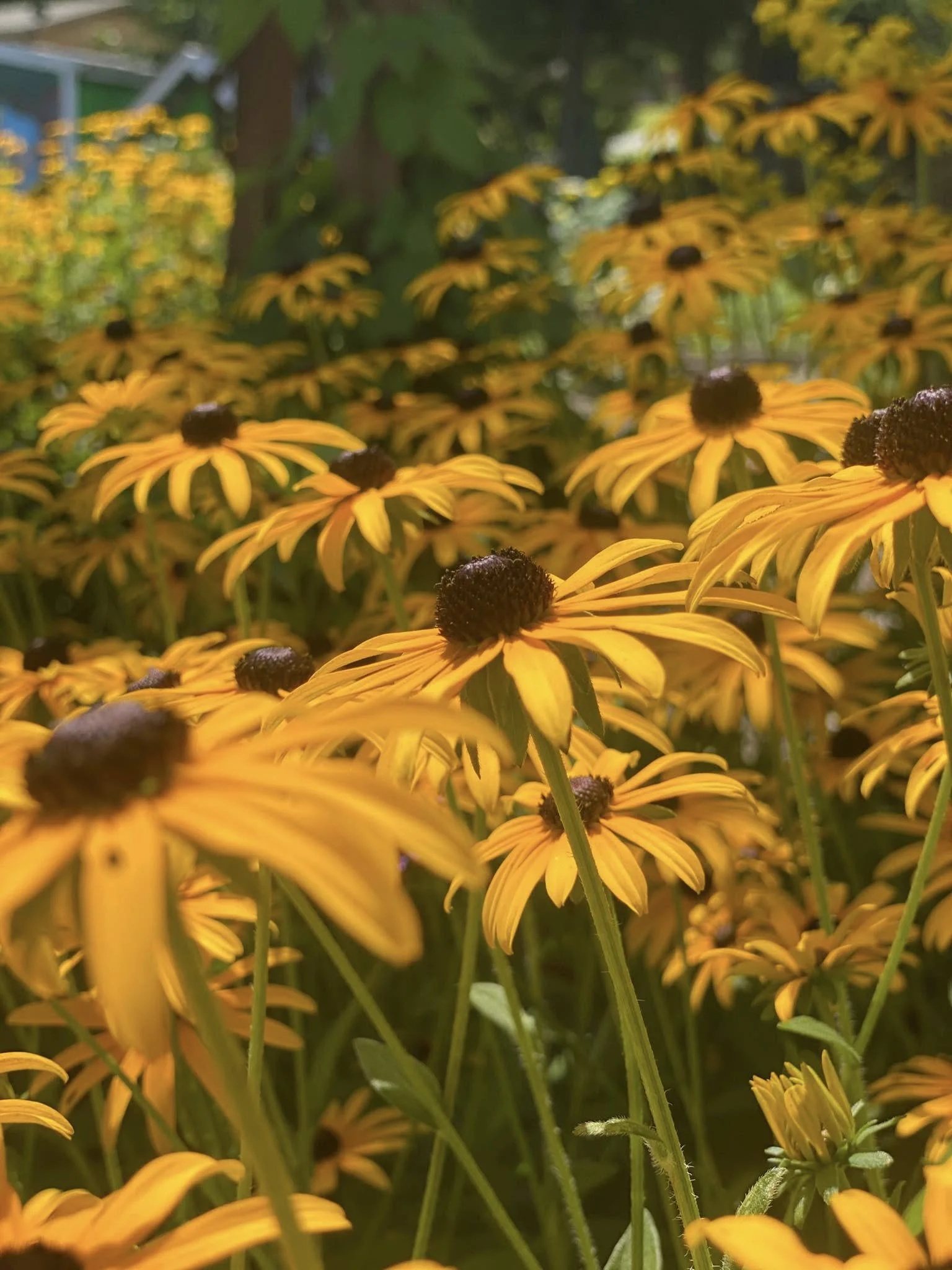
Shiloh Community Garden
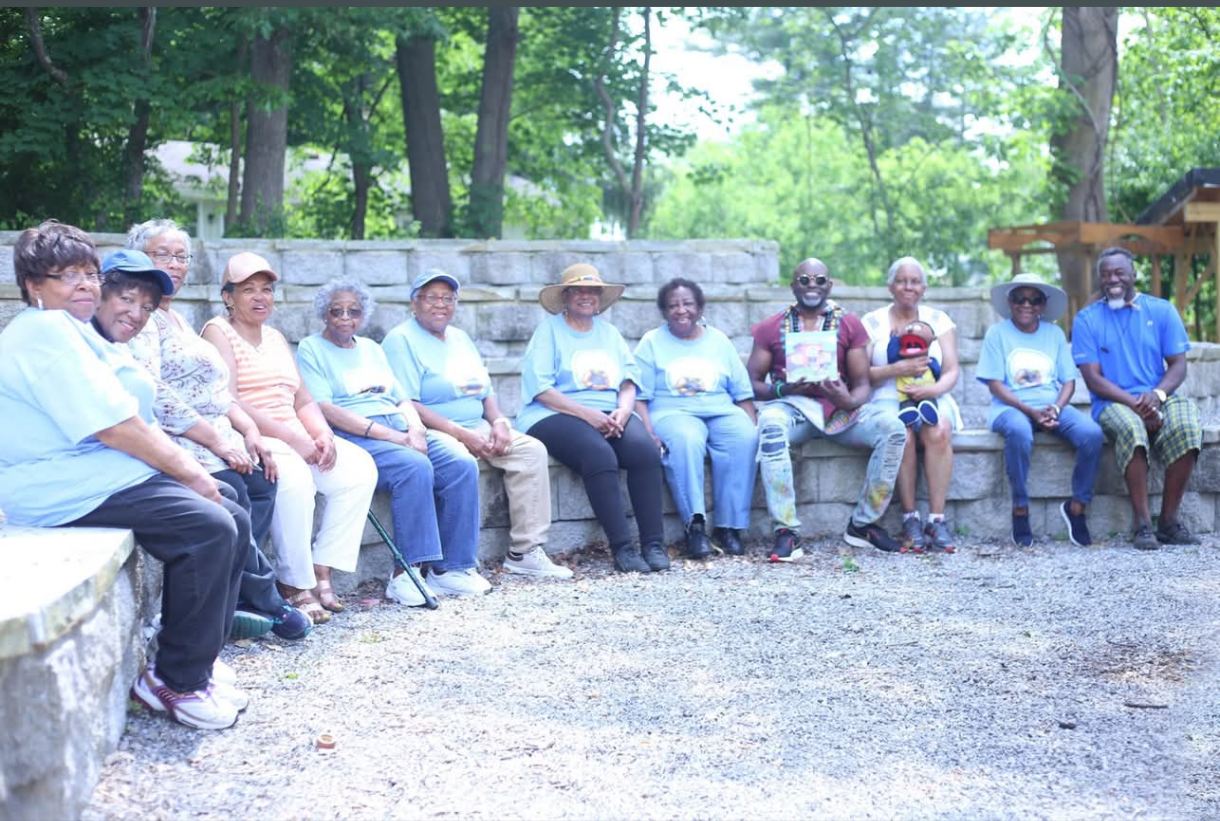
About the garden
The Shiloh Community Garden is a growing space rooted in one of Asheville’s oldest Historically Black Neighborhoods. The garden exists to support food access, community connection, and hands-on learning—while honoring the history, resilience, and leadership of the Shiloh Community.
This is a working garden. Food is grown, harvested, shared, and informs {adjective} together.
Our Purpose
The Shiloh Community Garden was created to:
Increase access to fresh, locally grown food
Create a welcoming place for neighbors to gather and work together
Share practical food-growing knowledge across generations
Support community health, dignity, and self-determination
The garden is stewarded by the Shiloh Community Association and guided by community needs, not trends.
What We Grow
The garden includes a mix of seasonal vegetables, herbs, and perennial plantings selected for: cultural relevance, nutritional value, suitability to Western North Carolina growing conditions and ease of sharing and distribution.
Planting decisions are informed by resident input, garden capacity, and seasonal planning. The goal is steady, reliable production—not perfection.
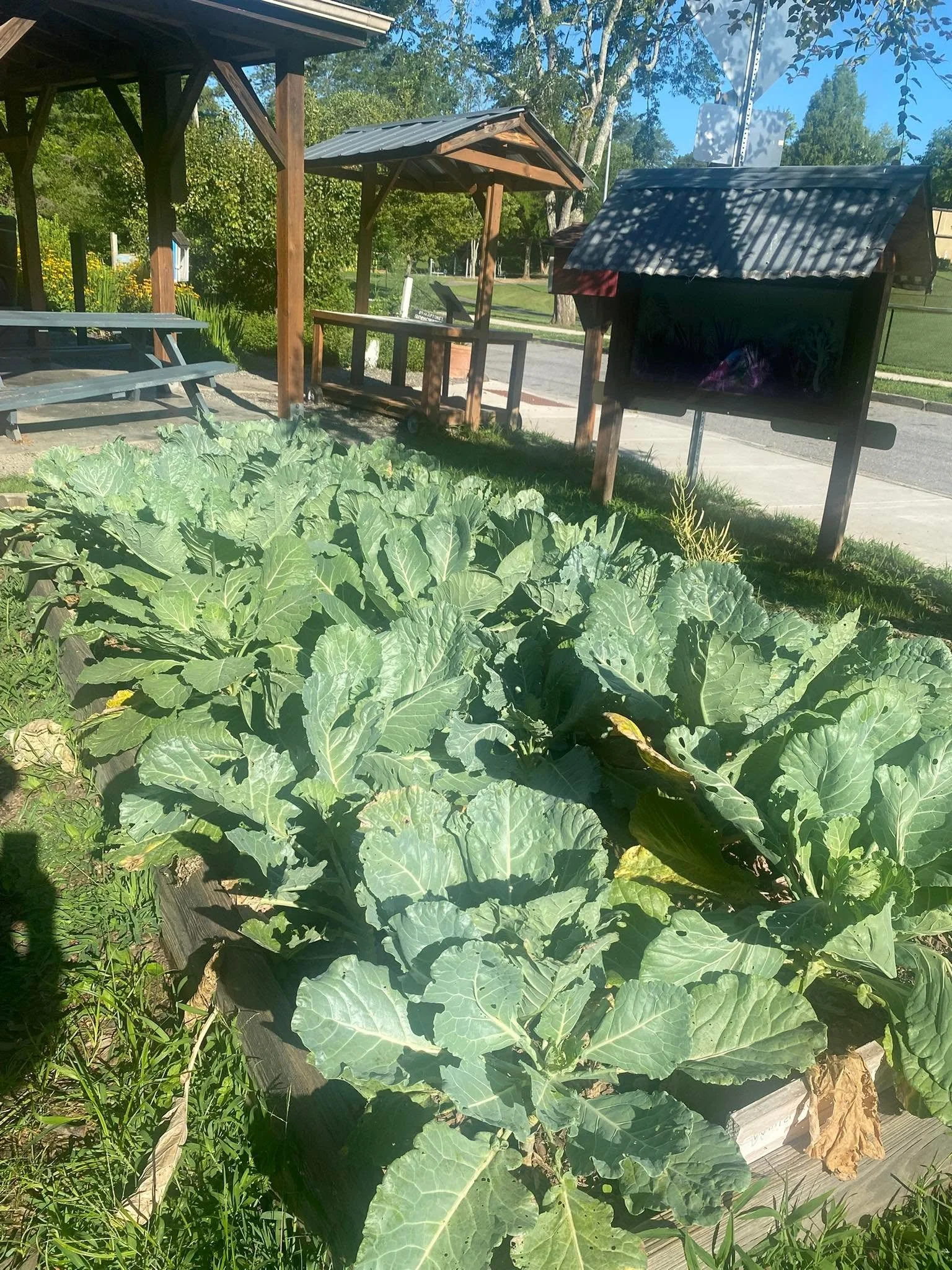

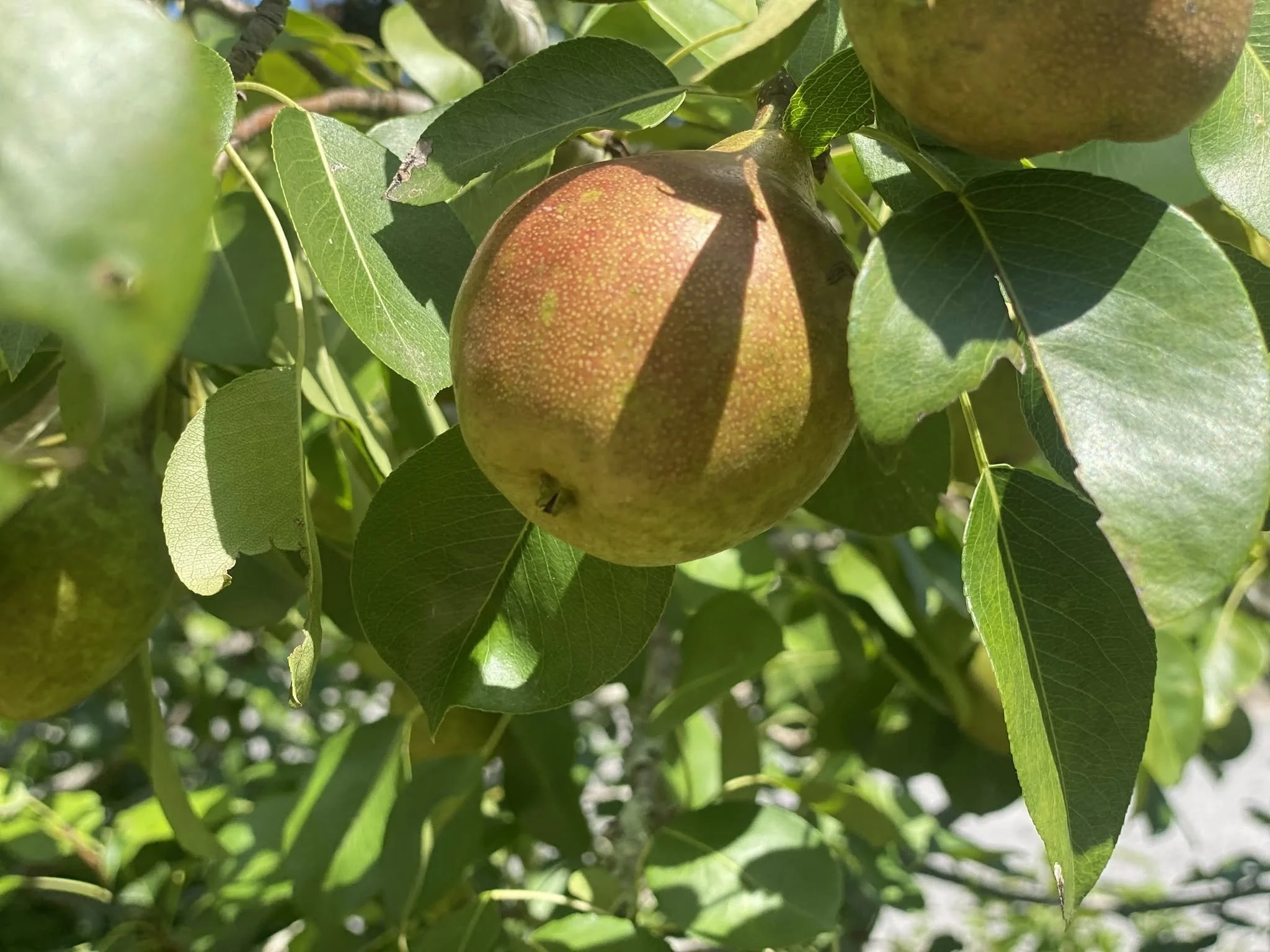
Past and Future Bounty
Orchard trees
Grapes
Blueberries & Strawberries
Garlic
Okra
Peppers
Onions
Tomatoes
Greens: Collards, Mustard, Swiss Chard, Spinach
Potatoes
Culinary herbs
Pollinators section
Cut Flower varieties
How the garden is used
The garden supports multiple community uses, including:
Weekly and seasonal harvests for community sharing
Volunteer garden workdays
Youth and intergenerational learning opportunities
Small workshops and demonstrations
Pilot projects related to food access, composting, and soil health
As capacity allows, the garden may also support neighborhood-based produce sharing or small market activities.
Garden Stewardship
The Shiloh Community Garden is actively managed using clear systems and seasonal planning. Stewardship focuses on:
Soil health and long-term productivity
Consistent maintenance and clear pathways
Simple, repeatable processes
Shared responsibility and accountability
This approach helps the garden remain resilient over time and accessible to many hands.
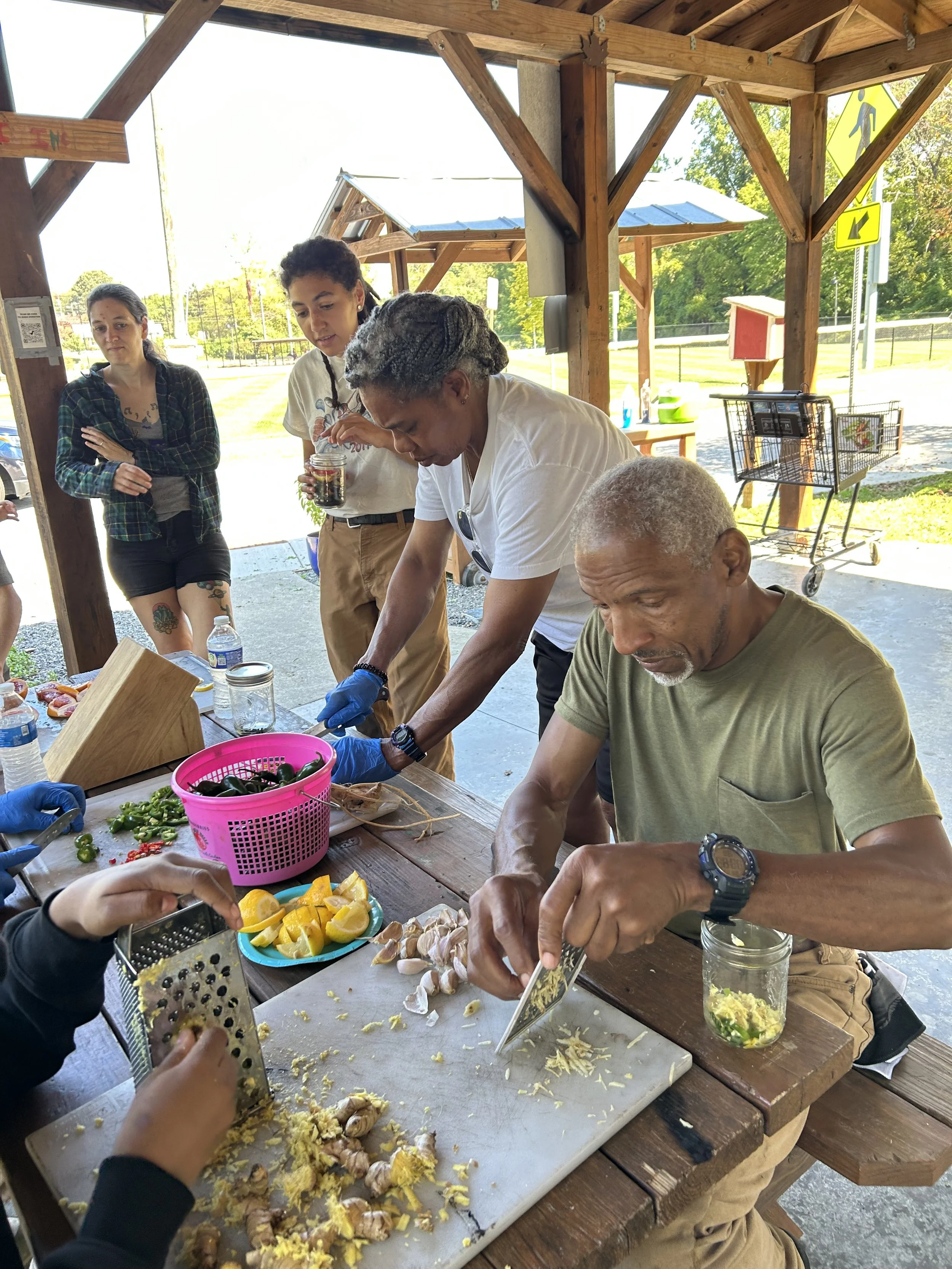
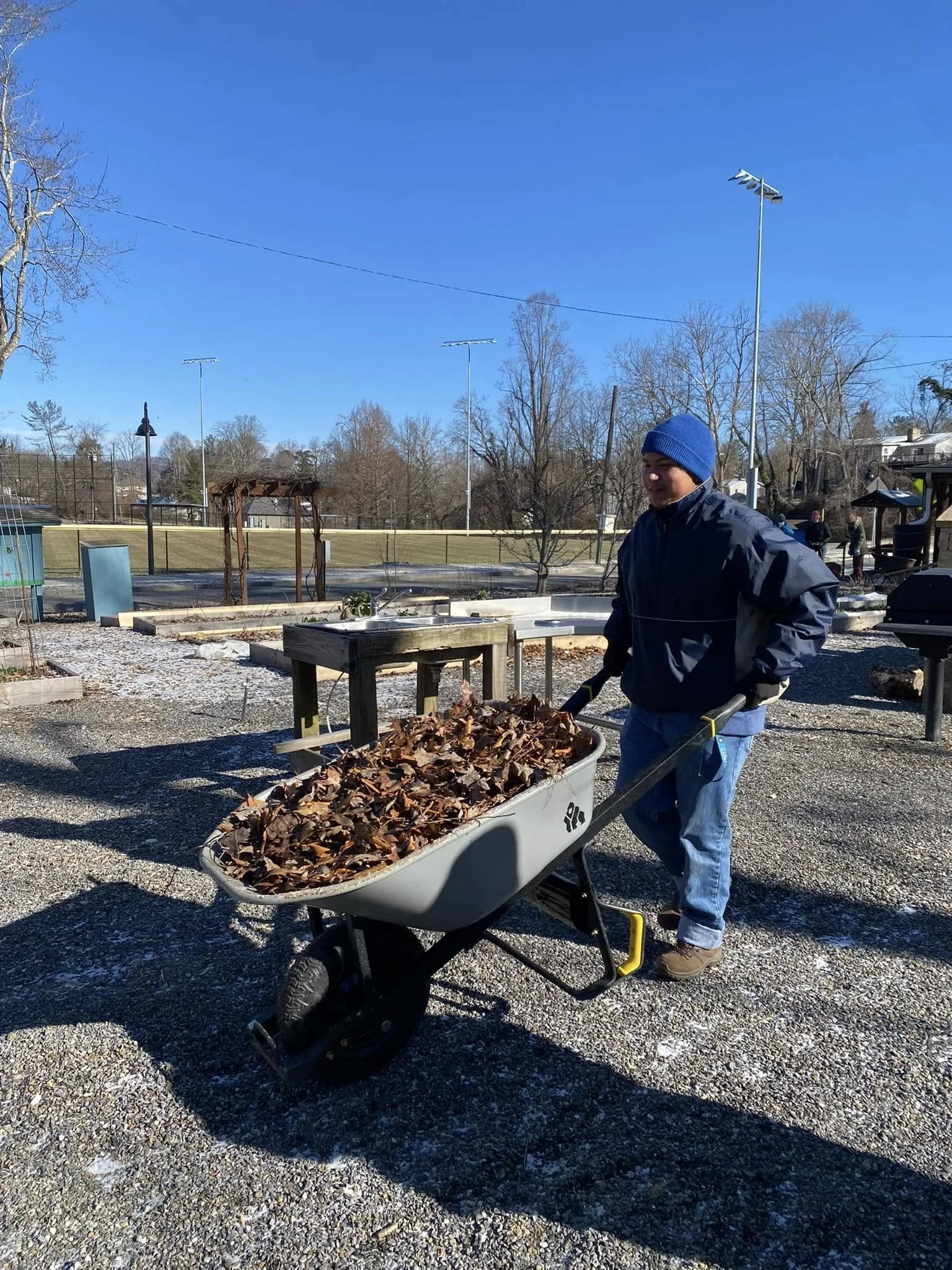
volunteer Opportunities
Shiloh Community Garden volunteer Workdays — Saturdays 10am - 2pm
Get Involved
There are several ways to support the Shiloh Community Garden:
Volunteer during scheduled garden days
Attend a workshop or community event
Share skills, tools, or resources
Help spread the word
To learn more or get involved, contact the Shiloh Community Association or attend a monthly community meeting.
Volunteers are essential to the garden’s success.
Volunteer opportunities vary by season and may include:
Planting and harvesting
Weeding and bed maintenance
Compost and soil care
Tool organization and site upkeep
Supporting youth activities during garden days
No prior gardening experience is required. Tasks are matched to ability and comfort level.
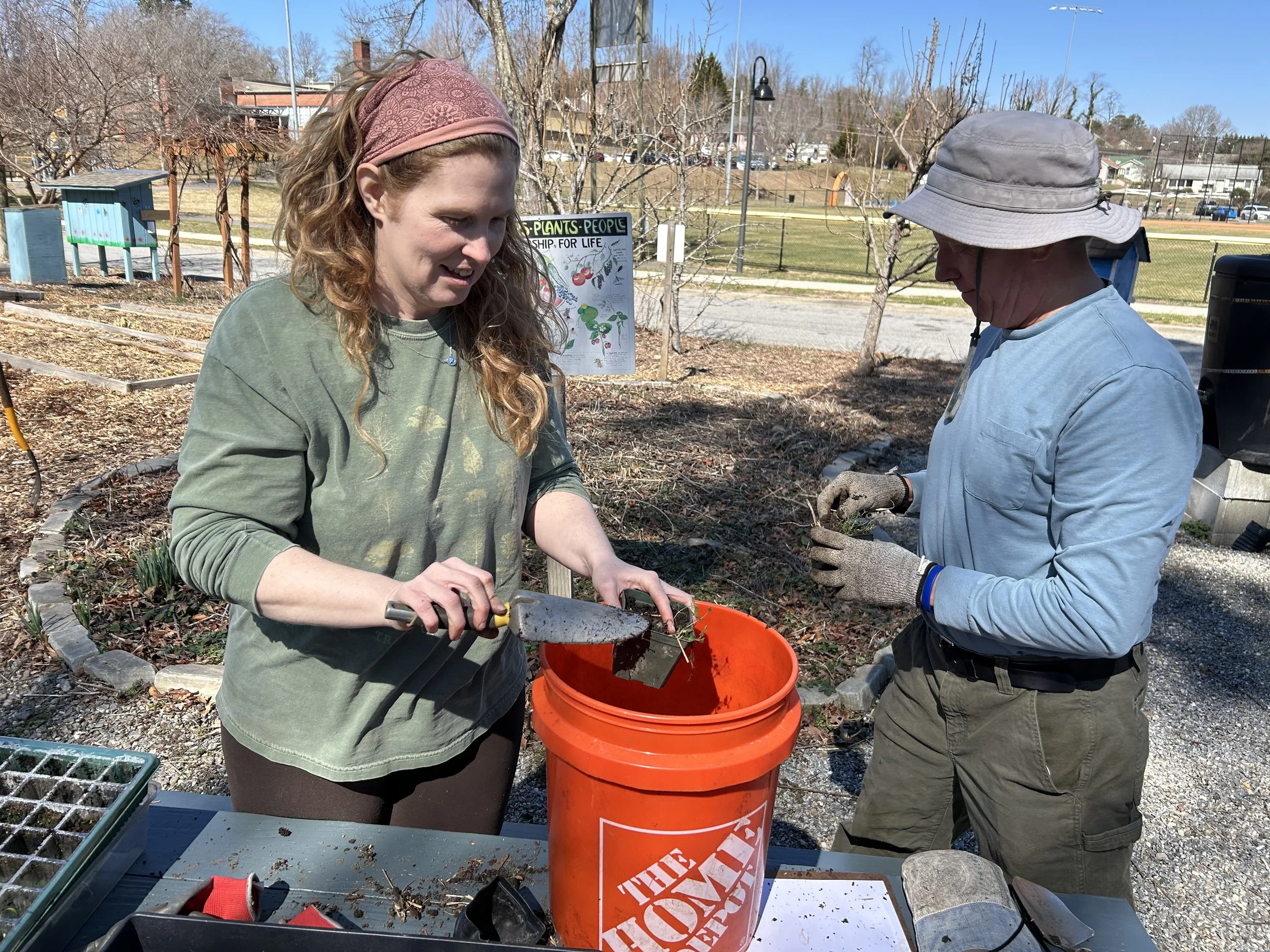
Youth Participation

Youth are welcome in the garden during organized activities and workdays. The garden emphasizes:
Safe, supervised participation
Skill-building through hands-on tasks
Respect for the space, tools, and one another
Youth involvement is coordinated to ensure safety and positive learning experiences.